


Mistakes to avoid when buying a parasol
Buying a parasol may seem simple, but there are several pitfalls to avoid to ensure you make a good investment. Whether it's for your garden, patio, or even your balcony, here are some common mistakes to avoid when buying a parasol.
1. Do not take into account the size of the space
One of the most common mistakes when buying a parasol is failing to measure the space where you want to install it. This oversight can lead to significant problems.
An oversized parasol can clutter your space , limiting movement and use of the outdoor area, while an oversized parasol does not provide sufficient shade, making the installation ineffective.
Why is the size of the space crucial?
The available space not only determines the size of the parasol you can install, but also influences the choice of parasol type. For example, a large garden or a spacious terrace can accommodate a large cantilever parasol. Our Mistral cantilever parasol model (in 3x3m or 3x4m) is specially designed for large spaces ; it offers a wide shaded area without taking up too much ground space.

On the other hand, for a balcony or small terrace, a small, straight parasol like our Aura straight model in 2x2m is more suitable . to maximize the use of space.

How to measure space correctly?
Measure the desired shaded area
The area you wish to shade is determined by using a measuring tape to obtain its length and width. If you have a set of tables and chairs, make sure the parasol covers enough space so that everyone is shaded.
Consider the immediate environment
We look around the area designated for the parasol. Are there any obstacles such as walls, trees, or furniture that could limit the available space? These elements are taken into account to ensure the parasol is not obstructed by its immediate surroundings.
Allow space for the base
The space required for the parasol base should not be underestimated. Bases can vary in size and shape and must be heavy enough to stabilize the parasol . Ensure that the base does not encroach too much on the usable space. In the case of an offset parasol, the base will extend beyond the shaded area, so this additional space must be allowed.
2. Ignoring the stability of the base
An unstable parasol can be dangerous, especially in windy weather. Many people overlook the importance of a solid, suitable base, which can lead to the parasol tipping over, potentially injuring people or damaging property. Ensure the parasol base is heavy enough to keep it firmly in place, minimizing the risk of it toppling. Various options are available, such as bases filled with water, sand, or made of heavy metal. Choose the one that best suits your needs and environment to guarantee not only the parasol's stability but also the safety of those around it. An inadequate base can quickly become a hazard, especially in areas frequented by children or pets.
There are three main types of feet for stabilizing and moving structures, each with its specific advantages depending on the needs.
Ballast slabs are weights made of concrete, steel, or plastic filled with sand or water, used to stabilize temporary structures such as tents or parasols without permanently fixing them to the ground. They are ideal for outdoor events where drilling is undesirable, offering easy installation and great flexibility without damaging the ground.

These anchoring feet are designed for permanent or semi-permanent installation using screws, bolts, or chemical anchors, and are often used for structures requiring increased stability, such as awnings or pergolas. These feet offer excellent stability and are ideal for long-term use, even in harsh weather conditions.

Caster feet allow for easy mobility of structures, thanks to fixed or swivel casters, with or without brakes. They are particularly suitable for mobile structures such as trolleys, display panels, or certain pieces of furniture, offering great convenience for movement and repositioning.

3. Neglecting the quality of materials
The durability of your parasol depends primarily on the quality of the materials used. Inexpensive parasols may seem attractive at first glance, but they are often made from lower-quality materials that deteriorate quickly under the effects of sun and weather. Choosing robust materials is crucial to ensuring the longevity of your investment.
Choosing an aluminum frame for your parasol offers numerous advantages. Aluminum is lightweight, corrosion-resistant, and durable, making it an ideal choice for changing outdoor conditions. Unlike more fragile materials, aluminum doesn't rust, extending the life of your parasol even with prolonged exposure to the elements.
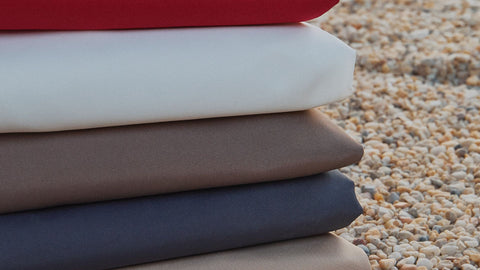
When it comes to the parasol canopy , opt for materials like acrylic or olefin . These fabrics are specially designed to resist fading. They are also water-repellent and mildew-resistant , making them easy to care for and suitable for extended outdoor use.
4. Not checking UV protection
A parasol isn't just for providing shade; it must also protect against harmful UV rays. UV rays can damage the skin, leading to sunburn, premature aging, and an increased risk of skin cancer. Make sure your parasol's canopy is treated to block these UV rays.
For optimal protection, look for parasols with a label indicating UV protection, such as UPF 50+. UPF, or Ultraviolet Protection Factor, measures a fabric's effectiveness at blocking ultraviolet rays. A parasol with UPF 50+ blocks approximately 98% of UV rays, providing an effective barrier against the sun's harmful effects. Investing in a parasol with high UV protection is essential for the health and well-being of your family and guests, allowing you to enjoy sunny days safely.
5. Forgetting about practical features
Modern parasols offer many practical features that can enhance your comfort. For example, tilting parasols allow for 360° rotation, enabling you to follow the sun's path and maintain optimal shade throughout the day.
Parasols with a crank or automatic opening mechanism are also easier to use. Don't overlook these aspects when making your purchase.
6. Not taking design and aesthetics into account
A parasol is a visible and often central element of your outdoor space. It's therefore crucial to choose a design and color that complement the style of your outdoor furniture and décor. Parasols are available in a variety of styles, colors, and patterns. Take the time to choose the one that best blends with your surroundings.
Why are design and aesthetics important?
The design and aesthetics of your parasol play a significant role in the ambiance and overall appearance of your outdoor space. A well-chosen parasol can enhance the beauty of your garden or patio, creating a cohesive and pleasant atmosphere.
Conversely, a parasol that clashes with the rest of your decor can seem incongruous and diminish the visual appeal of your space.
7. Failing to check the warranties
As with any investment, it's essential to check the manufacturer's warranty when purchasing a parasol. A solid warranty can protect you against manufacturing defects and give you peace of mind regarding the durability of your purchase. When reviewing the warranty terms, ensure it covers a reasonable period and includes protection against various unforeseen circumstances.
8. Not considering the interview
Finally, remember that your parasol requires some maintenance to stay in good condition over time. Parasol canopies, in particular, should be cleaned regularly to prevent the accumulation of dirt, mold, and stains. Proper cleaning generally involves using warm water and soap, avoiding harsh chemicals that can damage the fabric.
Furthermore, when the parasol is not in use, especially during the winter months, it is crucial to protect it with a weatherproof cover . Ideally, to maximize its lifespan and keep it in good condition, it is recommended to store it in a dry place, such as a garage.
This precaution helps prevent damage caused by prolonged exposure to sun, rain, wind, and snow. Additionally, some parasol frames may require lubrication of the opening and closing mechanisms to ensure smooth operation. Before purchasing, make sure you choose a parasol that is easy to maintain and compatible with your lifestyle.
Conclusion
Buying a parasol may seem simple, but it's essential to consider several factors to avoid costly mistakes. By correctly measuring the available space, choosing a stable base, opting for quality materials, and checking for UV protection, you ensure the durability and effectiveness of your parasol. Don't neglect practical features and aesthetics, as a well-chosen parasol can greatly enhance the ambiance of your outdoor space.
Finally, consider the maintenance required to keep your parasol in good condition. By avoiding these common mistakes, you'll fully enjoy your parasol, adding comfort and style to your garden, patio, or balcony.
For any other questions about parasol bases, please do not hesitate to contact us: Contact Belveo


